

A startup mobile app should begin with the smallest useful version of the product. That means defining the core user problem, the first action a user must complete, and the business result the app is supposed to create.
What this means for mobile apps
Before development starts, prepare a checklist for login, onboarding, profile, core features, notifications, payments, admin needs, analytics, and support. Every item should be marked as required for launch, useful later, or not needed yet.
Testing is just as important as design. A mobile app has to work across devices, screen sizes, network conditions, and real user habits. Redorch helps startups plan the product in a way that protects momentum without turning the first release into an oversized build.
For startups and organizations planning Android, iOS, or hybrid apps connected to business workflows, mobile app development checklist for startups is not a theoretical topic. It affects how people discover the business, how teams handle daily work, and how confidently a product can move from idea to launch. mobile app development succeeds when the first release solves one clear user problem with a smooth experience. That is why the strongest projects begin with context instead of decoration. A useful plan connects the website, application, content, operations, and future backend needs into one direction that the business can understand.
planning should define onboarding, core action, user accounts, API needs, notifications, admin controls, and store launch requirements. This planning stage does not need to be slow, but it should be honest. The team should list what is essential for the first release, what can wait, and what information will be needed after launch. When this is written down early, the design becomes clearer, developers make better architecture decisions, and stakeholders can approve work without guessing what the finished product is supposed to do.
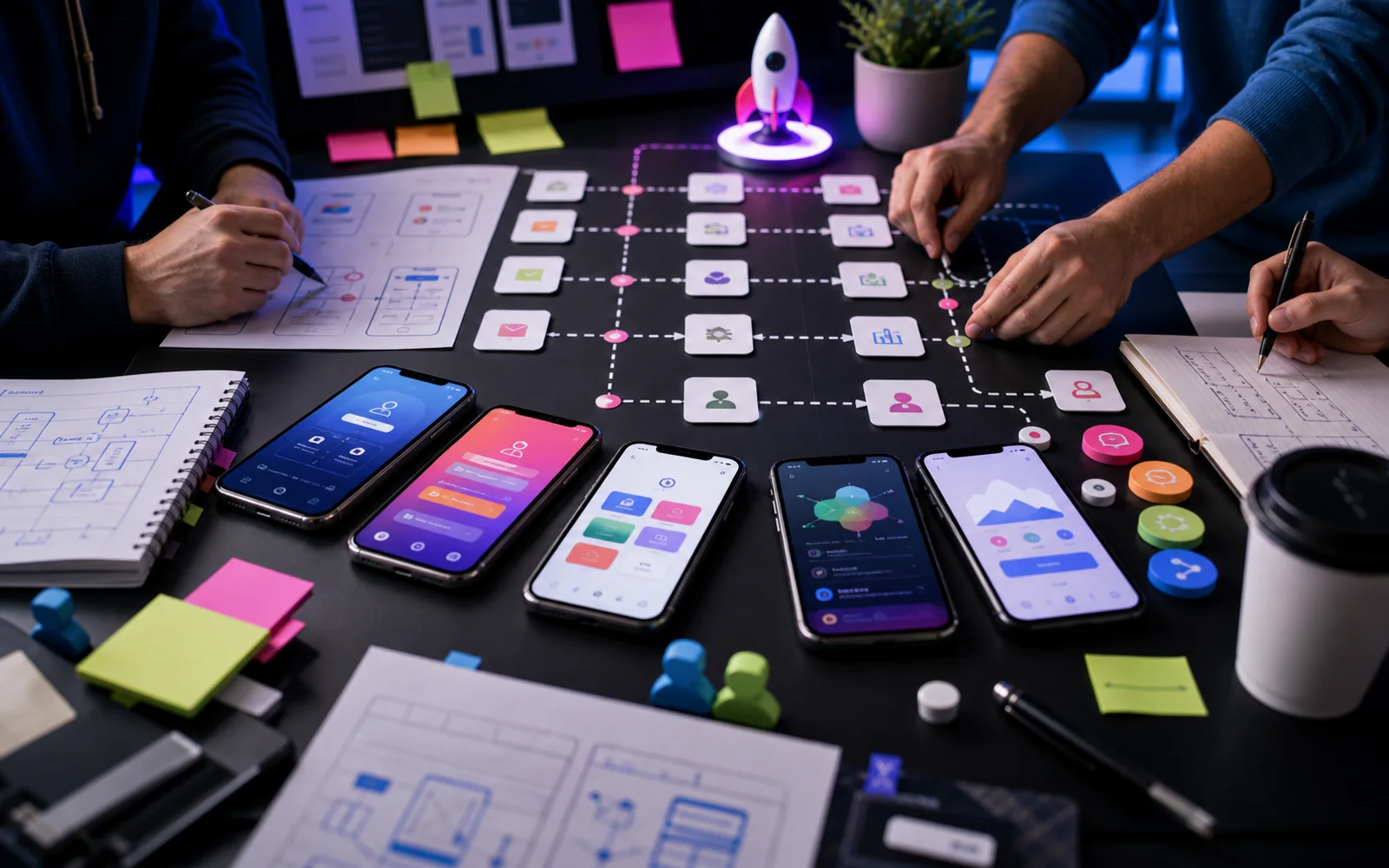
How to turn the idea into a launch-ready plan
The content also needs structure. A page or article should explain the problem, show why it matters, and guide the reader toward a useful next action. For this topic, keywords such as mobile app development, startup app, app development checklist should support the article naturally rather than being repeated without purpose. Search engines can read technical signals, but real buyers read for confidence. They want to know whether the team understands their situation and can turn that understanding into a practical solution.
the team should move from wireframes to prototype, then production screens, API integration, testing, and release preparation. A calm delivery process usually moves from discovery to information architecture, then UI direction, frontend build, content polish, testing, and handover. If the project will later connect to a Node.js and MySQL backend, the frontend should already use consistent fields for title, slug, image, summary, body, metadata, and category. This makes the backend phase more predictable because the design is already speaking the same language as the future content model.
A business should also decide how the work will be measured. measure activation, retention, task completion, support requests, crash reports, and the business outcome behind the app. These signals are more useful than vague opinions because they show whether the digital product is helping the business. For a service website, that might mean better inquiries and clearer navigation. For software, it might mean fewer manual steps and cleaner reporting. For content, it might mean stronger organic visibility and visitors spending more time with helpful articles.
a startup can lose time by trying to launch every future feature instead of validating the smallest useful product first. Another common mistake is separating design, content, and development into isolated tasks. A beautiful interface can still fail if the copy is unclear, the route structure is weak, or the admin workflow is ignored. Likewise, technically solid software can feel frustrating if the interface does not match how users think. The best results come from treating experience, content, and engineering as one product system.
CMS-managed content can later support onboarding screens, FAQs, policy pages, banners, and feature announcements. This is especially useful for a business that wants to host the frontend first and add a custom backend later. The public website can stay fast and polished while the admin panel grows behind it. Editors can eventually update blog posts, service pages, portfolio items, images, SEO titles, and meta descriptions without changing the frontend code. That path keeps the first launch practical and the long-term platform more maintainable.
The practical next step is to turn the idea into a short roadmap. Define the audience, choose the most important page or workflow, decide what content is needed, and identify the data that should be editable later. Redorch approaches articles, websites, service pages, and software planning this way because it keeps the work useful. The goal is not only to publish more pages, but to build a digital foundation that can support leads, operations, and future growth.